
Emergency Repairs in Strata: Who’s Responsible and How to Handle Them
When an urgent issue arises in a strata property management such as a burst pipe flooding apartment, a broken lift leaving residents stranded, or electrical faults posing safety risks, one question quickly follows: who is responsible for emergency repairs in strata?
With more Australians living in strata-titled housing than ever before, strata committees and managers face growing pressure to respond quickly to urgent maintenance. These situations often require immediate decisions, yet the rules around responsibility can be complex, varying depending on state legislation, strata bylaws, and common property repairs strata.
Understanding these distinctions is not only about compliance but also about ensuring fairness between owners, protecting residents’ safety, and avoiding costly disputes. As strata living continues to grow in popularity, knowing exactly who pays for strata repairs and how responsibilities are divided has become a vital skill for committees, managers, and owners alike.
What Counts as Emergency Repairs in Strata?
Emergency or urgent building repairs are typically those that affect residents’ health, safety, or security, or that cause significant damage if not addressed immediately. Common examples include:
- Burst water pipes or major leaks
- Power outages or dangerous electrical faults
- Fire safety system failures
- Lift breakdowns
- Broken security gates or entry doors
These differ from routine strata maintenance (cleaning, gardening, scheduled servicing), because urgent repairs require faster decision-making and clear responsibility. Realestate.com.au also points out that sinking-fund levies are commonly used to cover longer-term maintenance and emergency costs, underscoring why owners corporations responsibilities must be prepared financially and procedurally to respond quickly when urgent works arise.
Who Is Responsible for Strata Emergency Repairs?
Responsibility for strata repairs usually depends on whether the issue affects common property or lot property.
- Owners Corporation (Body Corporate): Generally responsible for emergency repairs involving common property such as lifts, shared plumbing, fire systems, or structural elements of the building.
- Lot Owner: Typically responsible for urgent repairs within their apartment or townhouse, such as leaking taps, damaged flooring, or appliances.
- Strata Manager: Plays a coordination role, ensuring the correct party is notified and arranging contractors where appropriate.
This division of responsibility is guided by strata bylaws and repairs state legislation, which can vary slightly across jurisdictions. Strata managers and committees should always be familiar with their local requirements to avoid disputes.
While local strata rules define specific responsibilities, in facility operations it’s recognized that maintenance and engineering teams play a central role in emergency response planning . According to FacilitiesNet, facility managers routinely coordinate emergency plans, system shutdowns, and protection of critical assets in response scenarios.
Grey Areas in Strata Repairs Responsibility
While the rules sound straightforward, many situations fall into a grey area. For example:
- Water leaks: If a leak originates in a common pipe but damages an individual lot, responsibility may be shared.
- Balconies and windows: Depending on bylaws, repairs may fall to either the owner or the owners corporation.
- Air conditioning units: These often sit on common property but service only one lot, raising questions over who pays.
Clear bylaws, proactive maintenance planning, and documented agreements reduce confusion. As Sourceable explains in coverage of balcony failures and related liability, these borderline cases frequently end up as legal or committee disputes unless the strata plan and by-laws explicitly define responsibility.
Why Clear Communication Matters
Emergency repairs often happen suddenly, creating pressure for fast decisions. Misunderstandings between tenants, owners, and managers can delay urgent action potentially increasing damage or costs. Having clear communication channels in place, supported by modern strata management software, ensures the right person is contacted quickly and the right steps are taken without confusion.
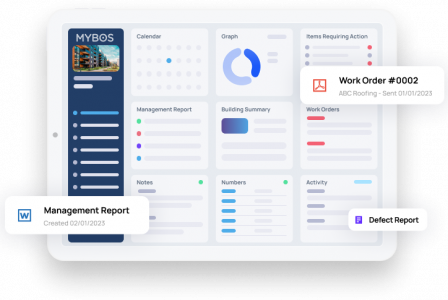
In fact, adopting the right strata management software allows managers to log issues, assign tasks, and track progress in real time. This transparency not only helps residents feel informed but also strengthens accountability when questions of responsibility arise. Over time, this clarity fosters trust between stakeholders, reducing disputes and creating a smoother overall management process.
Handling Emergency Repairs: A Step-by-Step Approach
When an urgent issue occurs, strata managers and committees can follow a clear process:
- Assess the situation – Confirm whether the issue is genuinely urgent.
- Determine responsibility – Identify whether the repair falls under common property or the lot owner.
- Engage qualified contractors – Always prioritise safety and compliance.
- Communicate with residents – Provide timely updates on progress and expected resolution.
- Record and review – Document the incident for future reference and to refine emergency response plans.
Having these steps outlined in advance avoids costly delays and ensures repairs are handled efficiently. Industry research in the FMJ also stresses the value of embedding emergency response procedures into routine maintenance planning, helping organisations act swiftly when urgent issues arise.
Preventing Emergencies Through Proactive Strata Maintenance
While some emergencies are unavoidable, many can be reduced through proactive strata building maintenance. Regular inspections of plumbing, electrical systems, lifts, and fire safety equipment help identify risks before they escalate and allow managers to act before problems become costly emergencies.
For example, implementing structured maintenance schedules not only prevents costly breakdowns but also supports resident satisfaction. A well-kept building, clean, safe, and functional has been shown to contribute to better resident retention. Investing in cleaning best practices for strata managers also plays a role in maintaining overall building health and avoiding complaints that could spiral into urgent issues. Over time, this proactive approach reduces the stress of reactive repairs, ensures compliance, and provides peace of mind for both owners and residents.
The Role of Strata Committees and AGMs
Annual General Meetings (AGMs) and regular committee meetings are critical opportunities to review building maintenance strategies and emergency repair budgets. Strata managers should use these forums to clarify responsibilities, update bylaws, and plan for contingencies. A well-prepared AGM ensures that both owners and committees understand their roles, minimising confusion when emergencies strike.
By aligning emergency preparedness with long-term planning, strata committees can safeguard both the building’s value and residents’ wellbeing. These meetings also provide a chance to set aside funds for capital works, approve service contracts, and establish clear communication protocols for urgent situations. Importantly, the strata manager role in repairs extends to guiding committees through compliance obligations, coordinating contractors, and ensuring records are accurately maintained.
When committees treat AGMs as more than a compliance exercise, they can become proactive planning tools that strengthen trust among residents, reduce disputes, and ensure the building is equipped to handle both expected and unexpected challenges with confidence. Effective planning also supports long-term residential strata maintenance strategies and provides clarity on the building defect and repair process, ensuring every issue is addressed properly and in line with compliance standards.
Planning Ahead: Managing Emergency Repairs Effectively
Strata emergency repairs are an unavoidable part of property management, but they don’t have to be chaotic. By understanding the division of responsibilities, maintaining clear communication, and investing in proactive strata maintenance issues, strata managers and committees can handle urgent issues swiftly and fairly.
As more Australians embrace strata living, clarity around who pays for strata repairs will only grow in importance. Forward-thinking committees that embrace digital tools and proactive planning will not only reduce disputes but also create safer, more resilient communities.
If you’re looking to streamline emergency repair management and everyday strata operations, MYBOS offers a powerful, easy-to-use platform designed for modern strata managers. Book a demo with MYBOS today and see how smarter technology can help you manage repairs, communication, and compliance with confidence.