
Clean Common Areas, Happy Residents: Cleaning Best Practices for Strata Managers
Keeping strata common areas clean is more than just about appearances—it’s essential for resident satisfaction, property value, and the overall health of the community. Well-maintained spaces create pride in the building and reduce disputes between residents over shared amenities. For strata managers, adopting cleaning best practices isn’t simply part of the job, it’s a responsibility that directly influences the long-term success of the property.
From lobbies and lifts to gyms, car parks, and outdoor areas, cleaning must be consistent, structured, and aligned with resident expectations. Managers are also tasked with balancing compliance requirements, contractor oversight, and budget constraints while ensuring services meet agreed standards.
The question is: where should managers begin, and which best practices deliver lasting results?
Why Strata Cleaning Matters for Resident Satisfaction
A clean building doesn’t just look better. It feels safer, more welcoming, and more professional. Residents are far more likely to value their community and stay long term when the property is well-maintained. Dirty or neglected spaces, on the other hand, quickly lead to complaints, declining property value, and potential health hazards.
Strata managers are already balancing complex responsibilities, from compliance to finances, but cleaning and maintenance remain at the heart of resident satisfaction in strata management. In fact, effective cleaning practices are closely tied to clear tenant communication, an area where strata managers often face challenges.
Adopting structured communication approaches can ease tensions and keep residents informed about cleaning schedules and updates. Here are some practical tips on mastering tenant communication.
Strata Manager Cleaning Responsibilities: What You Need to Know
Strata managers don’t necessarily do the cleaning themselves, but they are responsible for organising and overseeing it. This includes:
- Hiring professional cleaning strata buildings services for strata managers.
- Ensuring cleaners follow building hygiene and safety protocols.
- Managing cleaning schedules to cover peak-use areas like gyms, lifts, and foyers.
- Conducting inspections and addressing resident feedback promptly.
- Keeping cleaning practices in line with strata building maintenance regulations.
By maintaining oversight, strata managers protect not just resident satisfaction, but also compliance and property value.
Building Hygiene and Safety: The Compliance Perspective
Neglecting cleaning responsibilities isn’t just inconvenient, it can expose buildings to risks. Poor building hygiene and safety can contribute to hazards such as slip-and-fall accidents, pest infestations, or mould growth. Regular, documented cleaning reduces liability and protects both managers and owners’ committees.
Strata managers should also be proactive about identifying long-term maintenance needs. For example, carpets or HVAC systems may require professional servicing to avoid more costly repairs later.
Realcomm Advisory highlights how smart building technology platforms are transforming commercial real estate operations. Through automation, integrated data workflows, and better space utilisation, they improve responsiveness and safety. In a strata or shared-property context, that means hygiene oversight can be more proactive, documented, and aligned with operational compliance.
Beyond Cleaning: The Role of Strata Managers in Enhancing Resident Experience
While cleaning is central, it is only one part of broader strata building maintenance. Managers are also responsible for coordinating repairs, scheduling inspections, handling compliance, and maintaining positive resident relations.
These tasks require a balance of operational efficiency and people management skills. Understanding the distinction between strata management and body corporate regulations is crucial here, as responsibilities vary depending on state legislation. This guide to strata management vs body corporate roles is a valuable resource for staying compliant and clear on your duties.
Cleaning Best Practices Every Strata Team Should Implement
In strata living, cleaning isn’t just about presentation, it’s a key part of property maintenance that managers are expected to oversee. As noted by Realestate.com.au, everyday expenses such as cleaning and gardening are typically covered under the administrative fund, making it essential that strata managers organise and monitor these services effectively.
Here are five best practices that help ensure standards are consistently met:
- Develop a Cleaning Checklist: A clear, itemised checklist helps ensure nothing is overlooked. A standard cleaning checklist for strata managers should cover high-traffic areas (lobbies, lifts), shared amenities (gyms, BBQ areas), and safety-critical spaces (car parks, stairwells).
- Prioritise Hygiene in High-Touch Areas: Door handles, lift buttons, and intercom systems are hotspots for germs. Daily disinfection of these areas is essential.
- Schedule Preventive Deep Cleaning: Beyond daily cleaning, schedule quarterly or bi-annual deep cleans to maintain flooring, carpets, and air systems. This is part of broader strata property maintenance.
- Use Eco-Friendly Cleaning Solutions: More residents are eco-conscious, making sustainable cleaning products a valuable choice. This aligns with growing expectations for green property care.
- Regularly Communicate with Residents: Notify residents about cleaning schedules or disruptions. Transparent communication reduces complaints and builds trust.
Leveraging Technology for Strata Cleaning Oversight
Learning how to keep residents happy in strata buildings by managing cleaning schedules, contractors, and resident communication can be complex especially across large strata properties. Many managers are now adopting SaaS tools to streamline property management, enabling better visibility and accountability for cleaning operations. Here’s how SaaS tools can streamline property management.
Beyond day-to-day tracking, these platforms give strata managers the ability to benchmark cleaning performance, compare service levels across sites, and generate audit-ready reports. This not only reduces administrative burden but also ensures contractors remain accountable to agreed standards, which is particularly valuable in high-density or premium residential complexes.
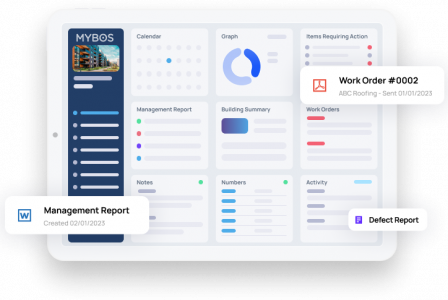
Platforms like MYBOS allow managers to track cleaning tasks, set reminders, and even log resident complaints in one place. This data centralisation ensures no detail is missed and makes it easier to demonstrate compliance with strata common property care standards.
Want to streamline your strata cleaning and maintenance processes? Book a demo with MYBOS to discover how our digital platform helps strata managers save time, reduce costs, and deliver a better resident experience.