
Protecting Your Building’s System Data: What You Need to Know About Security
As smart buildings continue to evolve, so will the sophistication of cyber threats. Artificial intelligence and automation will bring new opportunities for operational efficiency but also new challenges for securing tenant data in buildings.
KPMG highlights that the real estate sector must treat cyber resilience as a core element of digital transformation: embedding security-by-design, improving visibility across IT/OT environments, and building ecosystem-level defenses are essential steps to protect long-term value and tenant trust.
Being proactive with your building data is no longer optional. Protecting systems from intrusion, ensuring data privacy, and maintaining operational resilience isn’t just about compliance; it’s key to preserving long-term value, trust, and safety in an increasingly digital environment.
Why Building Data Security Matters
Modern buildings rely heavily on digital tools for access control, HVAC systems, energy monitoring, and tenant management. This interconnected ecosystem delivers significant efficiency gains, but it also introduces new vulnerabilities at every connection point. Each device, platform, or system that links into a building’s network can become a potential entryway for cyberattacks if not properly secured.
For building managers, protecting sensitive information such as tenant records, contractor details, and financial reports is not just about security, it’s about maintaining credibility. As we’ve discussed in our post on why data and reports are crucial for building managers, decision-making depends on the integrity of accurate, protected data. Without strong cybersecurity measures, even the most efficient building management software can become a liability.
Compliance and Data Protection in Buildings
Cybersecurity is not just an IT issue, it’s also a compliance requirement. Regulations like the Australian Privacy Act and international standards such as GDPR place obligations on organisations to protect personal data. These frameworks set out strict rules on how information must be collected, stored, and shared, with penalties for breaches that can include significant fines and reputational damage.
Compliance extends beyond simply securing databases. It also involves creating clear policies for data access, monitoring third-party service providers, and ensuring that cloud-based platforms meet industry standards for encryption and storage. Regular audits and training sessions can help identify weak points before they become serious risks, reinforcing a culture of accountability across all levels of building operations.
For building managers, this means ensuring that both in-house teams and external contractors handle information responsibly. Tools that allow managers to track, store, and protect key operational metrics such as those outlined in the key data every facility manager should track can also play a role in meeting compliance requirements.
Key Cybersecurity Risks in Facility Management
The digitalisation of property management introduces new risks that building managers must address, including phishing attacks, unsecured IoT devices, cloud vulnerabilities, and compliance breaches. According to FacilitiesNet increased connectivity creates exposure unless rigorous security controls, user training, and IT-FM collaboration are in place.
Common threats to building or facility management data security include:
- Phishing attacks – targeting staff or contractors with fraudulent emails to gain access.
- Unsecured devices – IoT sensors, smart locks, and HVAC controllers can be vulnerable if not properly protected.
- Cloud vulnerabilities – weak authentication or misconfigured cloud storage can expose sensitive data.
- Compliance breaches – failure to meet data protection standards can result in penalties and reputational damage.
These risks highlight the urgent need for facility management cybersecurity strategies that safeguard every aspect of digital operations.
Best Practices for Building Data Security
Strengthening information security for smart buildings requires a proactive and multi-layered approach. Building managers can start with:
- Regular system audits – check for software updates, patch vulnerabilities, and review access logs.
- Employee and contractor training – educate all stakeholders about recognising phishing, safe password practices, and reporting suspicious activity.
- Cloud security protocols – use strong encryption, two-factor authentication, and secure configuration settings.
- Vendor due diligence – ensure third-party service providers also follow strict cybersecurity standards.
- Data minimisation – collect and store only the information necessary for operations.
These practices not only strengthen protection but also contribute to sustainable digital operations in line with broader facility management software solutions. According to EY Australia, organisations are investing in modernising legacy systems, improving visibility of the attack surface, and enhancing automation to strengthen their security posture. These steps align directly with what facility managers must do to protect building systems data protection, tenant data, and operational integrity.
The Role of Building Management Software Security
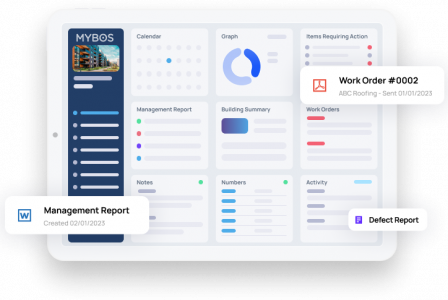
A strong building management software security framework is central to protecting property data. Modern platforms like MYBOS are designed with digital safeguards that go beyond basic functionality. From encrypted communication to secure cloud hosting, these solutions enable managers to balance operational efficiency with data protection.
Beyond these core measures, robust building management software also incorporates features such as multi-factor authentication, role-based access controls, and regular system updates to protect against emerging cyber threats. Honeywell’s Advance Control for Buildings platform, for example, includes built-in cybersecurity and faster network speeds, along with features that protect connected control systems and building automation infrastructure.
For facility and strata managers, adopting secure software is not just about ticking a compliance box, it’s about building tenant trust and safeguarding long-term operational stability. In an era where digital systems are deeply embedded in building operations, security must be treated as a foundation of effective management, not an afterthought.
Next Steps: How Can Proactive Data Protection Benefit Your Building?
In an era where digital tools drive building performance, protecting property management data is one of the most pressing responsibilities for facility leaders. By adopting best practices, strengthening compliance, and leveraging secure building management software, managers can turn security into a competitive advantage.
If you’re ready to enhance your building operations with secure, future-ready technology, explore how MYBOS can help! Book a demo today and see how our software keeps your building’s data protected while making your day-to-day management more efficient.