Creating a Year-Round HVAC Maintenance Plan for Apartment Buildings
When the weather changes, the last thing residents want is an unreliable heating or cooling system. For apartment building managers, this makes proactive HVAC maintenance essential. A year-round plan ensures consistent comfort, prevents unexpected breakdowns, and helps control utility costs.
According to Buildings.com, shifting from the traditional four-times-a-year servicing model to a continuous, 365-day monitoring approach can deliver transformative results. With IoT-enabled tracking of key equipment metrics—such as temperature, refrigerant levels, and overall system performance—facility teams can spot potential issues early, schedule maintenance proactively, and prevent costly emergency repairs.
This guide will walk you through practical steps for designing an HVAC maintenance schedule that supports both resident satisfaction and building efficiency.
Why Apartment Building HVAC Maintenance Matters
For property and strata managers, air conditioning or air quality systems are often the most visible to tenants—and when they fail, complaints escalate quickly. Beyond comfort concerns, poorly maintained HVAC systems can:
- Drive up energy costs through inefficient operation
- Shorten the lifespan of expensive equipment
- Increase emergency repair expenses
- Affect building compliance and insurance obligations
According to Honeywell, AI-driven systems now make predictive maintenance possible, enabling building operators to detect irregularities before they become critical failures, reduce downtime, and manage energy use more effectively.
By implementing a structured service schedule for apartment buildings, managers can address issues before they escalate—striking the right balance between operational budgets and tenant satisfaction.
The Role of a Preventive Maintenance Plan
A preventive HVAC maintenance plan is designed to catch issues early through inspections, cleaning, and minor repairs. Unlike reactive maintenance, which fixes problems after failure, preventive planning reduces downtime and prevents avoidable expenses.
Some benefits of preventive planning include:
- Predictability: Clearer budgeting for repairs and replacements
- Reliability: Less disruption for tenants during peak usage periods
- Sustainability: Energy-efficient HVAC maintenance that reduces environmental impact
- Compliance: Meeting Australian standards for building systems performance
For managers looking to strengthen their overall strategy, aligning HVAC upkeep with broader preventative property maintenance practices ensures no system gets overlooked.
Creating A Practical Maintenance Checklist for Apartment Buildings
Every apartment building is unique, but a comprehensive HVAC maintenance for property managers checklist for apartments should cover at least:
- Seasonal inspections – Pre-summer and pre-winter checks to ensure readiness for peak demand.
- Filter cleaning/replacement – Monthly or quarterly, depending on usage and environment.
- Ductwork inspections – Checking for leaks, dust, and blockages.
- Refrigerant levels and coils – Ensuring optimal efficiency.
- Thermostat calibration – For consistent temperature control.
- Fan belts, motors, and moving parts – Lubrication and wear inspections.
- System performance testing – Measuring energy consumption and airflow.
When implemented as part of a wider property maintenance HVAC planning framework, these checks keep systems reliable throughout the year.
A report from Savills emphasizes the growing importance of preventive strategies in property management. It points out that proactive service routines are becoming essential to maintaining resident comfort, cutting emergency breakdowns, and preserving long-term asset resilience.
Planning Ahead: Seasonal System Maintenance Tips
Different times of the year place different demands on heating and cooling systems, making seasonal ventilation maintenance tips essential for building managers and teams:
- Summer preparation: Test cooling capacity, check refrigerants, and clean condenser coils.
- Winter preparation: Service heating elements, check insulation, and inspect boiler systems.
- Autumn and spring: Conduct deep cleans, replace filters, and address minor repairs before peak seasons hit.
By integrating these seasonal checks into a structured asset maintenance schedule, managers can extend system lifespan, optimise energy efficiency, and avoid last-minute disruptions when tenant demand is at its highest.
What’s Involved in Long-Term HVAC System Care?
Sustainable long-term air system care means thinking beyond the next inspection. For building and strata managers, this includes:
- Lifecycle planning – Knowing when to repair vs. replace major components
- Data-driven monitoring – Using smart building technology to track performance
- Budget forecasting – Setting aside funds for major upgrades or replacements
- Training and awareness – Ensuring staff and contractors understand modern HVAC systems
By combining routine inspections for buildings with lifecycle forecasting, property managers can reduce surprises and keep budgets under control. As FacilitiesNet notes, strategic planning in HVAC management paired with predictive tools can help managers make informed decisions about upgrades, replacements, and maintenance schedules, ensuring long-term reliability and cost efficiency.
Cost-Effective HVAC Maintenance Strategies
A well-planned building ventilation system maintenance plan should also be financially efficient. Some cost-effective strategies include:
- Negotiating annual service contracts for predictable costs
- Aligning HVAC checks with other facility inspections
- Leveraging smart sensors to reduce unnecessary servicing
- Benchmarking energy usage to identify hidden inefficiencies
For managers weighing service options, asking the right questions when hiring contractors can make the difference between short-term fixes and long-term value. Choosing the right partner ensures your HVAC system is maintained proactively, minimises costly breakdowns, and supports sustainable, energy-efficient building performance over time.
Turning System Maintenance into Long-Term Comfort and Savings
HVAC systems shouldn’t be managed in isolation—they are central to tenant comfort, system reliability, and overall building health. When integrated with digital tools and facility management platforms, property managers gain clearer visibility into performance, maintenance history, and future needs.
For building and strata managers, a proactive maintenance plan goes beyond reducing repair costs. It’s about ensuring tenant comfort, improving energy efficiency, and protecting the long-term integrity of the property. By adopting a preventive approach, scheduling seasonal checks, and aligning heating and cooling system care with broader property management strategies, managers can strengthen resilience in one of the building’s most critical systems.
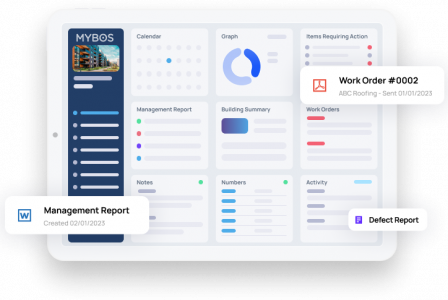
Ready to take preventative building systems management planning to the next level? Book a Demo with MYBOS today and discover how our platform can help streamline scheduling, reporting, and long-term asset management for your building.