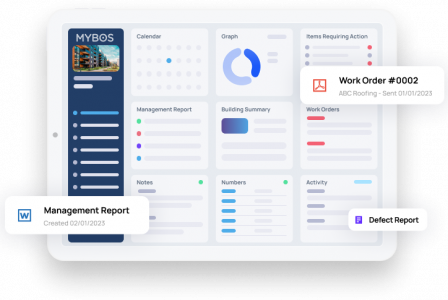

Building Management Challenges: Top 5 Problems and Software Solutions
Today’s building managers face more complexity than ever. From meeting tenant expectations to staying compliant, managing upkeep, and controlling budgets, the challenges keep multiplying.
Facility management software helps bridge these gaps by bringing developers, designers, architects, and supply-chain partners onto shared digital platforms. These systems eliminate data silos, improve collaboration, and make building operations more predictable and efficient.
The best part? Many recurring challenges in building operations can be solved—or at least simplified—through software. By centralising processes and digitising workflows, managers can reduce inefficiencies, boost tenant satisfaction, and safeguard the long-term health of their buildings.
1. Maintenance Overload and Delays
One of the most common building maintenance challenges is dealing with unexpected breakdowns and managing preventive maintenance across multiple assets. Reactive repairs not only increase costs but also frustrate tenants when issues aren’t resolved quickly.
Software solution: Digital platforms allow managers to schedule preventive maintenance, track work orders, and automate reminders. This reduces downtime, extends asset life, and ensures issues are resolved before they escalate.
Adopting predictive planning methods also makes a difference. Forecasting and long-term maintenance planning helps building managers allocate resources more efficiently, ensuring that both budgets and assets remain healthy.
2. Compliance and Regulatory Pressures
Keeping up with fire safety regulations, accessibility standards, and environmental reporting is another ongoing challenge. Missing a compliance deadline can result in hefty fines and reputational damage.
Software solution: A robust property management software for buildings provides automated compliance tracking, document storage, and deadline reminders. Managers can maintain clear records for audits and inspections, reducing the risk of oversights.
For example, digital compliance checklists can streamline tasks such as fire system testing, lift maintenance, and insurance updates. Here’s a breakdown of essential compliance tasks building managers should prioritise.
3. Rising Operating Costs
Energy bills, contractor fees, and unexpected repair costs can quickly eat into budgets, especially in older buildings. Without clear tracking, managers often struggle to balance cost control with quality service.
Software solution: Building management software tools centralise expense data and offer detailed reporting, making it easier to identify spending patterns and cut unnecessary costs. Automated tracking also improves transparency with owners’ committees.
In some cases, managers explore whether outsourcing vs in-house property maintenance offers better financial value. This comparison of both approaches can help committees and managers choose the right strategy for their building.
4. Communication Gaps with Tenants and Committees
Poor communication is one of the top common problems faced by building managers. When updates about repairs, compliance, or events are missed, residents feel disconnected and dissatisfied. This can also lead to increased complaints and unnecessary conflicts.
Software solution: Digital platforms offer messaging tools, service request portals, and noticeboard functions that keep tenants informed in real time. Instead of juggling phone calls and emails, managers can send updates directly through one platform, ensuring transparency and accountability.
According to The Urban Developer, platforms can enable building management teams to send SMS/email notices, publish digital noticeboard items, and centralise maintenance requests which helps keep tenants informed, speeds fault reporting, and strengthens accountability with owners’ committees.
By improving communication, managers also build stronger relationships with owners’ committees, who value clarity and timely updates on building matters.
5. Information Overload and Fragmented Data
With paper files, spreadsheets, and scattered contractor records, many managers lose time searching for key information. Lack of centralisation often leads to inefficiency, duplication of tasks, and errors.
Software solution: A centralised building records management system allows managers to store everything from contracts and invoices to floor plans and service manuals in one secure hub. Searchability and mobile access mean data can be retrieved instantly whether during an audit, a meeting, or on-site with a contractor.
This digital-first approach not only saves time but also sharpens decision-making. Savills Good Practice When It Comes to Managing Building Data article highlights how leading property managers are using smart data platforms to reduce tech debt, unify building information, and maintain data quality across multiple assets.
The Benefits of Building Management Software
By addressing these facility management issues and solutions, digital tools transform the way managers operate. Key benefits include:
- Cost savings through better maintenance scheduling and budgeting.
- Reduced risk by ensuring compliance and safety are always up to date.
- Greater transparency for committees and residents.
- Improved efficiency by eliminating manual admin tasks.
- Future readiness as buildings adapt to smart technologies and sustainability requirements.
Mirvac outlines that their smart building platform consolidates data from systems like lighting, HVAC, security, and energy management into an Integrated Building Platform (IBP). The platform provides real-time insights and reporting, enabling workforces and facility teams to make informed operational decisions such as how to best refine space utilisation or adjust energy usage.
Capitalising Tech Connectivity: Turning Challenges into Opportunities
While the role of a building manager comes with significant hurdles, modern technology offers a way forward. By embracing software for property and facility managers, many of the top five building management challenges can be transformed into opportunities for efficiency, cost savings, and improved resident satisfaction.
The future of improving building operations with software lies in smarter, centralised platforms that help managers balance day-to-day tasks with long-term goals. These solutions not only support daily workflows but also address building compliance and management challenges in a proactive way. By shifting to digital tools, managers are better equipped for overcoming building management problems while creating more sustainable, resident-focused environments.
If you’re ready to simplify your building operations and overcome these challenges, get started and book a demo with MYBOS today! See how our software helps building managers streamline workflows, cut costs, and stay compliant empowering you to focus on what matters most: creating safe, efficient, and thriving buildings.