
6 Best Practices for Effective Aged Care Facility Management
Managing an aged care facility requires more than just overseeing daily operations; it’s about creating a safe, supportive, and enriching environment for residents, staff, and visitors alike. With increasing expectations around compliance, health standards, and personalised care, facility managers must strike a balance between operational efficiency and the human side of aged care.
From building maintenance to resident wellbeing, every detail contributes to the overall experience. Implementing best practices in facility management not only enhances safety and comfort but also ensures long-term sustainability and compliance.
In this article, we’ll explore six proven strategies to help aged care facility managers optimise operations, streamline processes, and deliver quality outcomes for residents and their families.
1. Prioritise Compliance and Safety Standards
Compliance is at the heart of aged care facility operations, and non-compliance can lead to reputational damage, fines, or worse, risks to resident safety. Government regulations and legislative bodies that oversee aged care include Australia’s Aged Care Quality and Safety Commission or Aged Care Act (1997), or New Zealand’s Aged Care Quality Standards.
Aged care facility managers can prioritise compliance and safety by conducting regular internal audits against national standards, ensuring staff are trained and up to date on legislation, maintaining accurate documentation for inspections, and implementing clear incident reporting systems. They should establish a risk management framework that covers resident safety, infection control, and emergency preparedness, while fostering a culture of accountability and open communication.
Best practices include:
- Conducting regular audits and facility assessments
- Keeping up to date with changes to regulations
- Using digital platforms to track compliance records and inspections
- Embedding a safety-first culture among staff
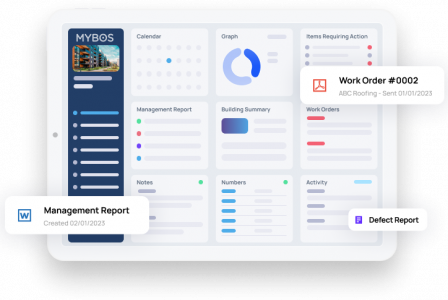
Digital tools like MYBOS can help streamline facility safety processes and provide managers with real-time reporting and documentation. With real-time data and documentation at their fingertips, managers can act quickly on potential risks, demonstrate accountability, and maintain a consistently high standard of care.
2. Invest in Staff Training and Support
People are the backbone of residential aged care management. Effective aged care staff training and management ensures that employees not only meet professional standards, but also feel valued and motivated.
Facility staff training and retention processes should:
- Provide ongoing training in clinical care, compliance, and safety standards
- Offer professional development programs and career progression pathways
- Implement regular refresher courses on infection control and emergency procedures
- Support staff wellbeing with mental health resources and counselling services
- Encourage mentorship and peer-to-peer learning opportunities
- Use digital learning platforms for flexible, accessible training
- Recognise and reward staff achievements to boost morale and retention
Strong management also involves supporting staff wellbeing and reducing turnover, which directly impacts the quality of care residents receive. The Property Council of Australia highlights national investment in aged care workforce training and support underscoring why structured, ongoing development is essential in maintaining quality and safety across the sector.
3. Implement Preventative Maintenance and Asset Care
Aged care building maintenance is a critical part of delivering safe and efficient services. Broken equipment or building infrastructure not only disrupts operations but can also create hazards for vulnerable residents.
Adopting a preventative maintenance strategy helps managers:
- Extend the lifespan of critical assets
- Reduce costly emergency repairs
- Ensure compliance with safety inspections
- Maintain comfort for residents year-round
Linking maintenance activities with an asset management platform allows teams to schedule inspections, log service records, and align with facility operations metrics. By moving away from reactive fixes and embracing preventative care, facilities can operate more reliably, control costs, and provide residents with a consistent standard of safety and comfort.
4. Enhance Resident-Centered Care with a Pleasant Environment
The quality of facilities and day-to-day operations plays a vital role in enhancing resident care within aged care settings. A safe, comfortable, and well-designed environment not only supports wellbeing but also reduces risks and improves the daily experience for both residents and staff.
Practical steps include:
- Maintaining reliable, energy-efficient climate control systems
- Regularly servicing lifts, ramps, and accessibility features
- Ensuring shared spaces and dining areas remain clean and hygienic
- Incorporating sensory-friendly design elements to support residents with dementia
By prioritising resident-centred environments, managers can strengthen care outcomes and increase overall satisfaction. Research from Stockland shows that more than 80% of Australians are now more aware of how their home and surroundings influence wellbeing—highlighting the importance of thoughtful design, natural light, and access to green spaces in aged care facilities.
5. Leverage Technology in Aged Care Facility Management
Facility management in aged care is transforming the sector. From automation to AI-driven reporting, modern tools give managers better control and insight into daily operations.
Some examples include:
- Digital maintenance scheduling and record-keeping
- Real-time reporting dashboards for compliance and incidents
- Smart building solutions for energy efficiency
- Resident and family communication platforms
The future of aged care operations is increasingly shaped by digital tools. As seen in broader facilities management, AI and automation can reduce manual workloads while improving visibility across complex operations.
6. Build Risk Management and Sustainability into Operations
Risk management in aged care facilities extends beyond compliance. It involves anticipating potential disruptions. Whether from equipment failures, health emergencies, or natural events and putting proactive plans in place.
At the same time, sustainability is becoming a growing priority. By embedding aged care facility compliance and sustainability practices such as energy monitoring, water efficiency, and waste reduction, facilities can reduce costs while aligning with community and government expectations.
PwC Australia reinforces this integrated approach, urging aged care providers to intentionally build their risk management and sustainability frameworks. This kind of disciplined, systemic approach helps facilities anticipate threats, manage disruptions effectively, and embed sustainability into their operational DNA.
Bringing Best Practices to Life in Aged Care Facilities
Effective aged care facility management is about more than meeting compliance, it’s about creating safe, supportive environments where residents thrive, staff feel empowered, and operations run smoothly. By following best practices across compliance, staff training, preventative maintenance, technology adoption, and sustainability, facility managers can reduce risks while improving quality of life for residents.
In a sector under increasing scrutiny, proactive management and digital tools will be key to building resilience and maintaining trust.
Ready to streamline operations at your facility? Book a Demo with MYBOS today and discover how our platform supports compliance, maintenance, and operational excellence in aged care facilities.