
5 Ways Campus Facilities Management Supports a Better Student Experience
A thriving campus is more than just classrooms and lecture halls — it’s a living, breathing environment where every detail affects the student experience. From well-maintained buildings to reliable utilities, facilities management plays a crucial role in shaping how students learn, interact, and feel during their time on campus.
Sourceable notes that developers and universities increasingly invest in high-quality, sustainable, and well-designed facilities to attract students, highlighting a direct link between campus infrastructure and institutional appeal. This underscores the critical role of facilities management in student recruitment, retention, and overall satisfaction.
Behind the scenes, facilities teams work to ensure that every corner of campus is safe, functional, and inspiring. This goes far beyond fixing broken lights or mowing lawns — it’s about creating spaces that foster productivity, wellbeing, and community.
Here are five key ways educational facilities management supports a better student experience.
1. Creating Safe and Secure Learning Environments
Safety is the foundation of a positive student experience. Students who feel secure are more engaged, more likely to attend campus, and better able to focus on learning. Campus safety and security responsibilities for facility managers range from regular building safety inspections to ensuring emergency procedures are in place and up-to-date.
Practical measures include:
- Routine fire safety compliance checks
- Maintaining functional emergency lighting and alarms
- Ensuring accessibility and compliance with building codes
- Implementing smart access control systems
Proactive safety planning not only protects students and staff but also safeguards the university’s reputation. You can read more about best practices for facility safety in our guide Streamlining Facility Safety: Best Practices to Protect Employees and Occupants.
2. Maintaining World-Class Campus Facilities
Well-maintained facilities are essential for delivering an inspiring and functional learning environment. University building maintenance covers everything from HVAC systems and lighting to sporting facilities and student housing.
Facility managers in higher education often adopt preventative and predictive maintenance schedules to avoid disruption during critical academic periods such as exams and enrolment. By using campus maintenance services strategically, institutions can:
- Extend the life of high-value assets
- Reduce costly emergency repairs
- Ensure consistent service levels across all departments
Taking the time to choose the right maintenance partner not only safeguards your facilities but also ensures students and staff enjoy a safe, reliable, and high-quality campus experience year-round. If you’re unsure where to start with facility contractors, our post on Top Questions to Ask Before Hiring a Facility Maintenance Contractor is a useful resource for making informed decisions.
3. Supporting Sustainability and Energy Efficiency
Sustainability is no longer just “nice to have” it’s a core expectation for stakeholders, management teams, and the wider community. Effective sustainable campus management not only lowers operational costs but also strengthens an institution’s environmental credentials.
Facility managers can lead sustainability initiatives by:
- Conducting regular energy audits
- Implementing water conservation programs
- Using smart building technology to monitor and reduce consumption
- Upgrading lighting and HVAC systems for efficiency
These measures not only reduce environmental impact but also align with the values of an increasingly eco-conscious student population.
The Australian Financial Review reports that universities are increasing investments in greener, technology-integrated learning environments with modern facilities are now crucial in attracting students and aligning with their expectations for sustainable campuses.
4. Enhancing the Overall Learning Environment
The physical campus environment directly impacts student satisfaction in universities. From comfortable seating and good acoustics in lecture halls to clean, well-lit communal spaces, learning environment improvement is an ongoing priority for facilities teams.
Technology is also playing a bigger role than ever. For example, digital booking systems for study spaces, sports courts, and meeting rooms give students flexibility and convenience while freeing up administrative resources for more value-adding tasks.
You can explore more on enhancing facility management in our article What Does a Facility Manager Do?. Investing in the right mix of physical upgrades and smart technology ensures campuses remain engaging, accessible, and responsive to the evolving needs of modern learners.
5. Using Smart Technology for Efficient Campus Management
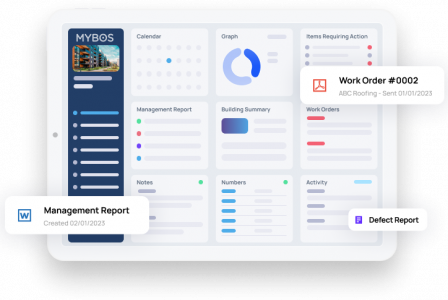
Smart building technology and modern campus management tools are transforming how universities manage their facilities. These systems integrate asset tracking, maintenance scheduling, contractor management, and communication into a single platform.
Benefits include:
- Real-time reporting on maintenance issues
- Streamlined contractor compliance tracking
- Centralised communication with staff and students
- Data-driven insights for budget and resource planning
By embracing property management software designed for higher education, facility teams can provide faster responses, more transparent processes, and a better overall service experience.
Smart Buildings Magazine underscores the transformative impact of smart campus systems. Their analysis highlights how digital infrastructures enhance comfort, energy efficiency, security, and overall operational performance on campuses. These technologies also enrich user experience by adapting environments to real-time needs.
Smarter Facilities, Happier Students: The Link Between Well-Managed Spaces and Student Experience
Campus facilities management goes far beyond fixing buildings and maintaining grounds, it’s about creating environments where students can thrive. By prioritising safety, maintaining world-class facilities, championing sustainability, improving learning environments, and leveraging smart technology, universities can significantly enhance the student experience.
In an era where student expectations are higher than ever, the ability to manage facilities strategically is a competitive advantage for every higher education institution.
Ready to improve your campus facilities management strategy? See how MYBOS can help you streamline maintenance, safety, and communication in one powerful platform. Book a demo today to explore the tools designed to elevate the student experience across your campus.